Emma Reed
April 10, 2026

Skipped Meals and Headaches: Myths, Facts, and a Safer Daily Fueling Plan
Format: myth-vs-fact
Why meal timing matters more than people think
Many recurring headaches are not caused by one dramatic trigger. They build when routine becomes erratic: delayed breakfast, long meeting blocks, caffeine without food, and late recovery meals. For people with migraine or tension-type vulnerability, these swings can lower the threshold for an attack.
Myth 1: If you drink enough water, meal timing does not matter
Hydration helps, but it does not replace stable fueling. Some people get headache spikes when blood glucose and stress hormones swing after long gaps without food.
Myth 2: Fasting headaches mean poor willpower
Not useful. Headache biology is not a character test. If your pattern worsens with prolonged gaps, the practical move is to reduce extreme swings, not to force harder restriction.
Myth 3: Bigger late meals fix daytime headache debt
Large late catch-up meals can worsen sleep and next-day stability. Better strategy: consistent daytime intake and smaller recovery steps earlier.
Fact-based 14-day reset
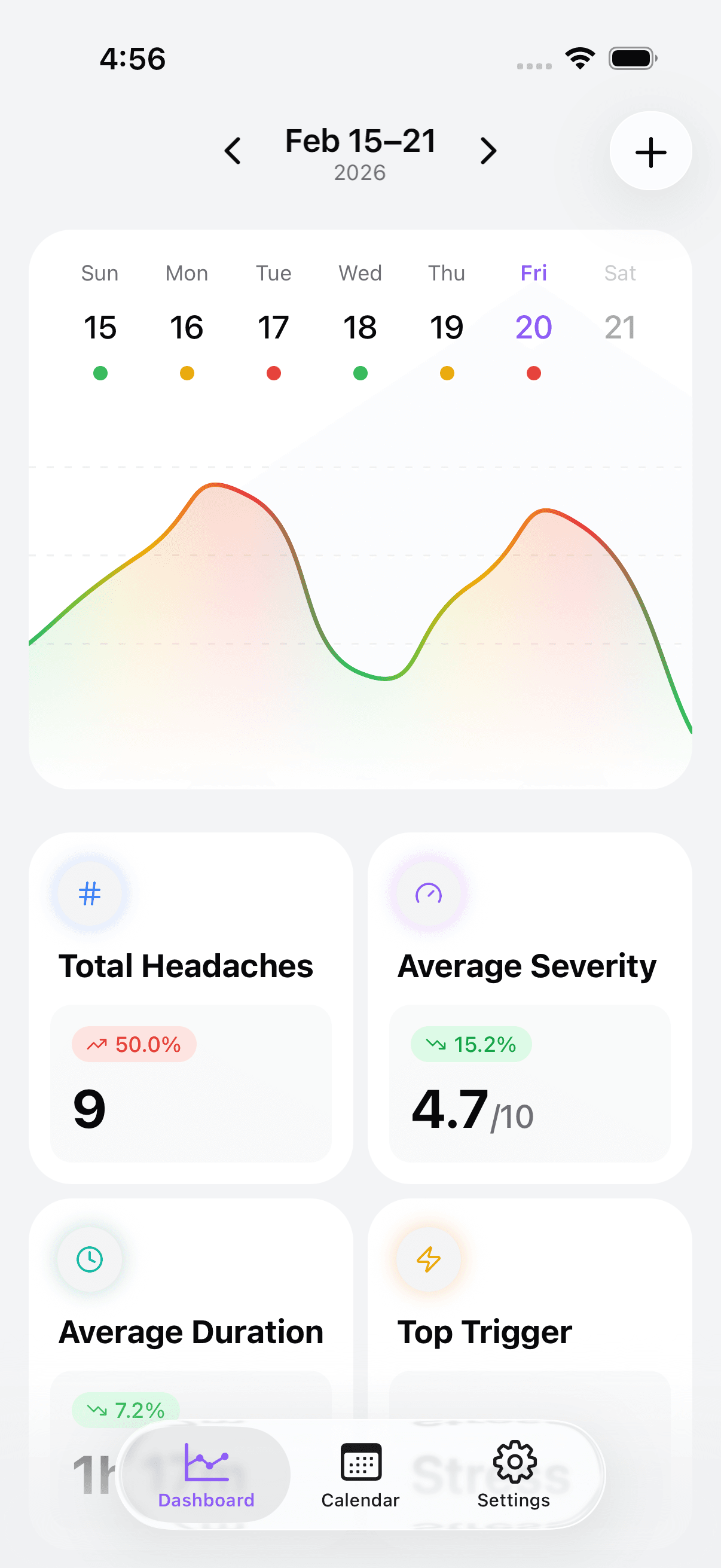
Track first meal timing, longest meal gap, caffeine timing, headache onset, and recovery speed. Add one low-friction intervention at a time: earlier protein-containing breakfast, planned snack before the high-risk window, and pairing caffeine with food.
What to discuss with a clinician
Ask whether your pattern fits migraine with metabolic sensitivity, medication-overuse overlap, sleep issues, or another diagnosis. Bring logs with times, not just symptom memories.
Bottom line
You are not chasing perfection. You are reducing avoidable threshold swings so headache days become less severe and less disruptive.
Implementation workbook for the next 3 weeks
Week 1: Baseline before fixing everything
Track headache timing, first food time, longest gap between meals, caffeine timing, hydration, and energy crashes. Add one line for stress load and sleep duration. Most people discover that headaches cluster on days with stacked disruptions, not one isolated mistake.
Week 1: Meal-gap audit
Identify your highest-risk windows: late-morning meetings, post-lunch focus blocks, commute delays, or evening overwork. If a plan depends on perfect discipline, it will fail. Build backup options: portable snacks, calendar prompts, and default food choices.
Week 1: Early intervention rule
Use a short script when warning signs start: pause, hydrate, eat a small balanced snack, reduce glare, and take a 3-minute reset. Simple scripts beat complex routines you never execute.
Week 2: Caffeine and food timing alignment
Caffeine on an empty stomach can feel fine one day and rough the next, especially with poor sleep. Test pairing caffeine with food and avoid large late-day doses that destabilize sleep and next-morning threshold.
Week 2: Protect consistency, not perfection
Your target is fewer extreme swings. Keep meal timing within a practical range, not strict minute-level control. Use repeatable defaults on busy days rather than “ideal” plans that collapse under stress.
Week 2: Build a recovery-day protocol
After a moderate or severe headache day, keep the next day stable: regular meals, hydration, lower sensory load, and reduced optional stressors. Recovery quality affects rebound risk.
Week 3: Evaluate response with useful metrics
Measure severe headache days, time to functional recovery, and rescue-medication days. Improvement in any metric is meaningful. Trend direction matters more than one perfect week.
Week 3: Escalation criteria
Escalate with a clinician if headache frequency increases, pattern changes, or function keeps dropping despite consistent routine work. Bring your tracking data. Data-rich visits produce better plans than memory-based summaries.
What not to do
Do not skip meals all day and overcorrect at night. Do not chase strict elimination plans without evidence. Do not assume every afternoon headache is dehydration-only or stress-only.
Durable success markers
Reliable progress looks boring: fewer crash windows, faster recovery, less fear of unpredictable headache days, and steadier work capacity. The goal is functional stability, not a miracle cure.
Medical safety note
This article is educational and does not diagnose, treat, or cure any condition. Seek urgent care for sudden severe headache, neurologic symptoms (weakness, numbness, speech trouble), fever with stiff neck, confusion, fainting, vision loss, or headache after head injury.
Implementation workbook for the next 3 weeks
Week 1: Baseline before fixing everything
Track headache timing, first food time, longest gap between meals, caffeine timing, hydration, and energy crashes. Add one line for stress load and sleep duration. Most people discover that headaches cluster on days with stacked disruptions, not one isolated mistake.
Week 1: Meal-gap audit
Identify your highest-risk windows: late-morning meetings, post-lunch focus blocks, commute delays, or evening overwork. If a plan depends on perfect discipline, it will fail. Build backup options: portable snacks, calendar prompts, and default food choices.
Week 1: Early intervention rule
Use a short script when warning signs start: pause, hydrate, eat a small balanced snack, reduce glare, and take a 3-minute reset. Simple scripts beat complex routines you never execute.
Week 2: Caffeine and food timing alignment
Caffeine on an empty stomach can feel fine one day and rough the next, especially with poor sleep. Test pairing caffeine with food and avoid large late-day doses that destabilize sleep and next-morning threshold.
Week 2: Protect consistency, not perfection
Your target is fewer extreme swings. Keep meal timing within a practical range, not strict minute-level control. Use repeatable defaults on busy days rather than “ideal” plans that collapse under stress.
Week 2: Build a recovery-day protocol
After a moderate or severe headache day, keep the next day stable: regular meals, hydration, lower sensory load, and reduced optional stressors. Recovery quality affects rebound risk.
Week 3: Evaluate response with useful metrics
Measure severe headache days, time to functional recovery, and rescue-medication days. Improvement in any metric is meaningful. Trend direction matters more than one perfect week.
Week 3: Escalation criteria
Escalate with a clinician if headache frequency increases, pattern changes, or function keeps dropping despite consistent routine work. Bring your tracking data. Data-rich visits produce better plans than memory-based summaries.
What not to do
Do not skip meals all day and overcorrect at night. Do not chase strict elimination plans without evidence. Do not assume every afternoon headache is dehydration-only or stress-only.
Durable success markers
Reliable progress looks boring: fewer crash windows, faster recovery, less fear of unpredictable headache days, and steadier work capacity. The goal is functional stability, not a miracle cure.
Implementation workbook for the next 3 weeks
Week 1: Baseline before fixing everything
Track headache timing, first food time, longest gap between meals, caffeine timing, hydration, and energy crashes. Add one line for stress load and sleep duration. Most people discover that headaches cluster on days with stacked disruptions, not one isolated mistake.
Week 1: Meal-gap audit
Identify your highest-risk windows: late-morning meetings, post-lunch focus blocks, commute delays, or evening overwork. If a plan depends on perfect discipline, it will fail. Build backup options: portable snacks, calendar prompts, and default food choices.
Week 1: Early intervention rule
Use a short script when warning signs start: pause, hydrate, eat a small balanced snack, reduce glare, and take a 3-minute reset. Simple scripts beat complex routines you never execute.
Week 2: Caffeine and food timing alignment
Caffeine on an empty stomach can feel fine one day and rough the next, especially with poor sleep. Test pairing caffeine with food and avoid large late-day doses that destabilize sleep and next-morning threshold.
Week 2: Protect consistency, not perfection
Your target is fewer extreme swings. Keep meal timing within a practical range, not strict minute-level control. Use repeatable defaults on busy days rather than “ideal” plans that collapse under stress.
Week 2: Build a recovery-day protocol
After a moderate or severe headache day, keep the next day stable: regular meals, hydration, lower sensory load, and reduced optional stressors. Recovery quality affects rebound risk.
Week 3: Evaluate response with useful metrics
Measure severe headache days, time to functional recovery, and rescue-medication days. Improvement in any metric is meaningful. Trend direction matters more than one perfect week.
Week 3: Escalation criteria
Escalate with a clinician if headache frequency increases, pattern changes, or function keeps dropping despite consistent routine work. Bring your tracking data. Data-rich visits produce better plans than memory-based summaries.
What not to do
Do not skip meals all day and overcorrect at night. Do not chase strict elimination plans without evidence. Do not assume every afternoon headache is dehydration-only or stress-only.
Durable success markers
Reliable progress looks boring: fewer crash windows, faster recovery, less fear of unpredictable headache days, and steadier work capacity. The goal is functional stability, not a miracle cure.
Implementation workbook for the next 3 weeks
Week 1: Baseline before fixing everything
Track headache timing, first food time, longest gap between meals, caffeine timing, hydration, and energy crashes. Add one line for stress load and sleep duration. Most people discover that headaches cluster on days with stacked disruptions, not one isolated mistake.
Week 1: Meal-gap audit
Identify your highest-risk windows: late-morning meetings, post-lunch focus blocks, commute delays, or evening overwork. If a plan depends on perfect discipline, it will fail. Build backup options: portable snacks, calendar prompts, and default food choices.
Week 1: Early intervention rule
Use a short script when warning signs start: pause, hydrate, eat a small balanced snack, reduce glare, and take a 3-minute reset. Simple scripts beat complex routines you never execute.
Week 2: Caffeine and food timing alignment
Caffeine on an empty stomach can feel fine one day and rough the next, especially with poor sleep. Test pairing caffeine with food and avoid large late-day doses that destabilize sleep and next-morning threshold.
Week 2: Protect consistency, not perfection
Your target is fewer extreme swings. Keep meal timing within a practical range, not strict minute-level control. Use repeatable defaults on busy days rather than “ideal” plans that collapse under stress.
Week 2: Build a recovery-day protocol
After a moderate or severe headache day, keep the next day stable: regular meals, hydration, lower sensory load, and reduced optional stressors. Recovery quality affects rebound risk.
Week 3: Evaluate response with useful metrics
Measure severe headache days, time to functional recovery, and rescue-medication days. Improvement in any metric is meaningful. Trend direction matters more than one perfect week.
Week 3: Escalation criteria
Escalate with a clinician if headache frequency increases, pattern changes, or function keeps dropping despite consistent routine work. Bring your tracking data. Data-rich visits produce better plans than memory-based summaries.
What not to do
Do not skip meals all day and overcorrect at night. Do not chase strict elimination plans without evidence. Do not assume every afternoon headache is dehydration-only or stress-only.
Durable success markers
Reliable progress looks boring: fewer crash windows, faster recovery, less fear of unpredictable headache days, and steadier work capacity. The goal is functional stability, not a miracle cure.
Take control of your headaches. Start tracking today.