Emma Reed
April 8, 2026

Perfume and Fragrance Headaches: Myths, Facts, and a Safer Daily Plan
Structure: myth-vs-fact
Why scent-triggered headaches are real (and complicated)
Fragrance-triggered headaches are common and often dismissed. People hear “it is just a smell” and then assume symptoms are imagined. In practice, scent exposure can interact with migraine biology, stress load, sleep debt, dehydration, and sensory sensitivity. Smell is processed through pathways connected to memory, emotion, and autonomic responses, so some people react fast and strongly. The goal is not to fear every scent. The goal is to separate random bad days from repeatable patterns and reduce avoidable exposure without shrinking your life.
Myth 1: If fragrance causes pain, it must be an allergy
Not always. Allergy can cause congestion, sinus pressure, and discomfort, but many fragrance-related headache episodes are non-allergic sensory triggers. That distinction matters because management changes. Allergy strategies focus on immune pathways. Trigger management focuses on dose, timing, ventilation, stress state, and competing triggers. If you assume one mechanism for every episode, your plan gets rigid and less effective.
Myth 2: The strongest smell is always the biggest trigger
Intensity matters, but predictability often matters more. A moderate scent in a closed office for two hours can be worse than a brief stronger scent in open air. Repeated low-dose exposure during poor sleep can also lower tolerance. Track context: enclosed vs open space, duration, your baseline stress, meal timing, hydration, and menstrual or hormonal factors if relevant. Trigger burden is cumulative, not just about one dramatic moment.
Myth 3: The only fix is avoiding public spaces
Total avoidance can backfire. It may reduce short-term attacks but increase anxiety and reduce quality of life. A better approach is graded protection: identify high-risk settings, prepare practical controls, and keep a calm fallback protocol. Think of it as risk management rather than retreat. You can keep social and work function while still protecting your nervous system.
Fact 1: A repeatable exposure-response pattern is actionable
If headaches rise within a consistent window after specific fragrance categories, you have useful data. Track timing to onset, symptom type, and recovery time. Example categories: spray perfumes, cleaning products, hair salon chemicals, scented candles, vehicle air fresheners, laundry fragrance boosters. Patterns can reveal whether your biggest issue is personal products, indoor air quality, or prolonged mixed exposure.
Fact 2: Dose control beats perfection
Most people cannot control every environment. Focus on the highest-yield controls: reduce direct spray exposure, improve ventilation, step out early when warning signs start, and recover before symptoms escalate. Keep rescue tools simple: water, small snack, sunglasses for photophobia, brief low-stimulation break, clinician-guided acute meds if prescribed. Early action often reduces peak severity.
A practical day plan for scent-sensitive people
Morning: baseline check (sleep quality, hydration, early symptoms). Commute: avoid enclosed heavy-scent zones when possible. Work block: seat selection near airflow, planned micro-breaks, and no new scented products at desk. Midday: hydration + regular meal timing to keep threshold stable. Evening: reduce layered fragrance and evaluate delayed symptoms. This routine is not glamorous, but consistency lowers volatility.
Two-week self-audit protocol
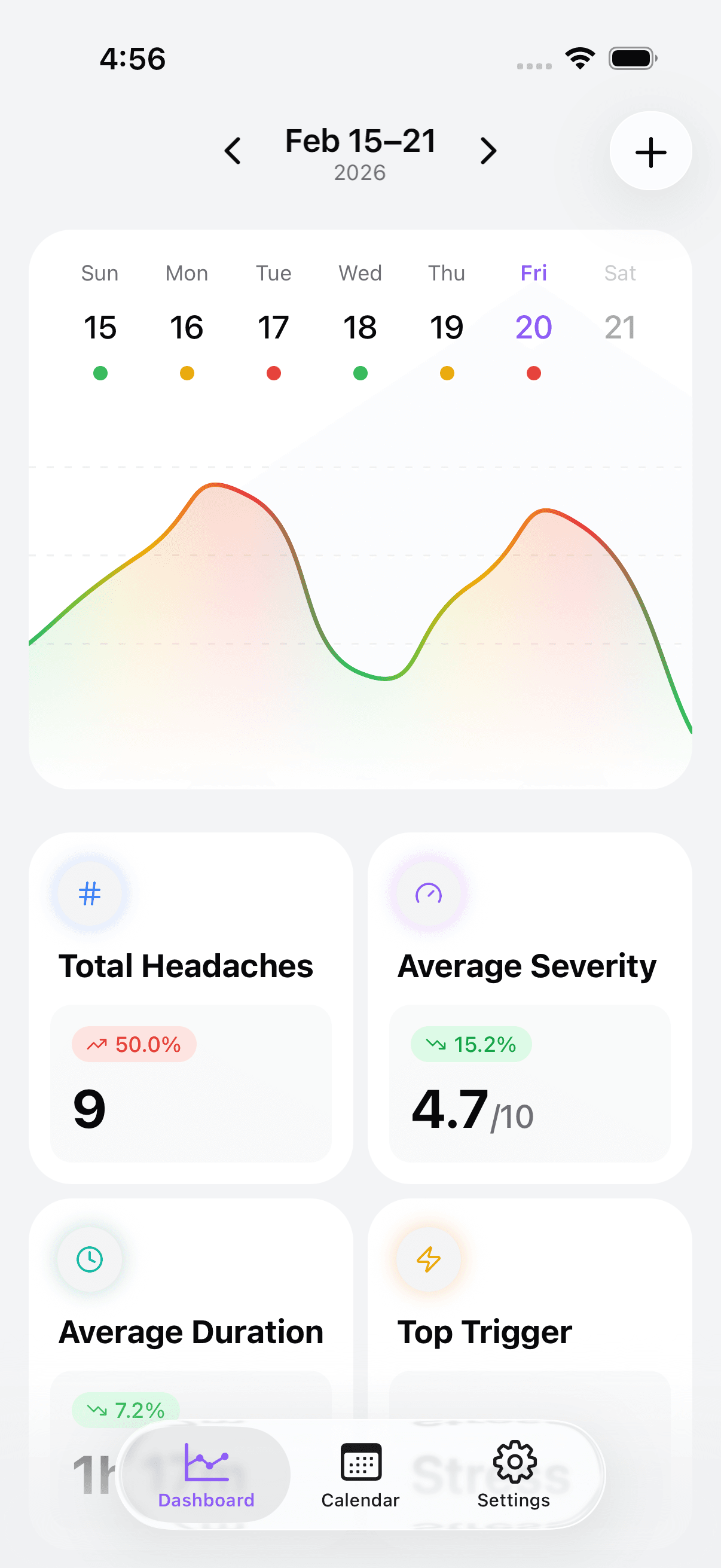
Log each episode with six items: trigger source, exposure duration, time to symptom onset, symptom profile, rescue steps used, and time to functional recovery. At week two, look for high-frequency patterns and one low-effort intervention to test next. Good options: swap one cleaning product, adjust desk airflow, or create a no-spray buffer before meetings. Improve one variable at a time so you can tell what helped.
When to escalate with a clinician
If headaches are increasing, changing in quality, or impairing work and daily function, seek non-urgent evaluation. Bring your logs. Ask about migraine diagnosis clarity, comorbid rhinitis or sinus issues, medication-overuse risk, and preventive options. You do not need to prove your pain with a perfect theory; you need a safer, better-functioning plan.
Practical implementation workbook
1) Build a trigger exposure map
List the exact fragrance sources in your week: commute, office, gym, shops, home laundry, cleaning days, social events. Add how long exposure lasts and whether air circulation is good or poor. Most people underestimate duration. A five-minute spray event feels memorable, but a two-hour low-dose exposure in a closed room may be the bigger contributor. The map helps separate emotional memory from measurable risk.
2) Define your early-warning profile
Early signals are often subtle: neck tightness, mild light sensitivity, unusual irritability, concentration drift, or slight nausea. Write your top three early cues and keep them visible on your phone notes. A plan only works if activated before symptoms peak. Waiting for severe pain usually reduces response quality.
3) Use a low-friction rescue sequence
Create a rescue sequence you can execute in under five minutes: reduce exposure, hydrate, lower light and noise, and apply your clinician-guided acute treatment if indicated. Avoid stacking ten interventions because that makes outcomes impossible to interpret. Simple and repeatable beats complex and abandoned.
4) Stabilize threshold variables
Scent sensitivity is often amplified by non-scent variables. Protect sleep timing, meal regularity, hydration, and stress pacing. If you ignore threshold drivers, you will misattribute every episode to smell and miss high-yield improvements. Tracking baseline variables gives context for why some exposures trigger attacks on one day but not another.
5) Improve indoor air strategy
Ventilation is an underrated intervention. Use short, scheduled air exchange where possible, especially after cleaning or before long work blocks. If windows are limited, prioritize seat position near airflow and avoid direct proximity to fresh sprays. Air strategy is not all-or-nothing; even moderate improvements can reduce cumulative exposure.
6) Product simplification protocol
Do not replace everything at once. Change one category per week: detergent, cleaner, fabric spray, candle/diffuser use, or personal fragrance intensity. Record symptom trends after each change. Gradual simplification is easier to sustain and makes causal patterns clearer.
7) Work and social communication
Use clear, non-accusatory language: “Strong scents can trigger severe headaches for me. Better airflow and lighter fragrance use help me stay functional.” This frames requests around function, not preference. Clear scripts reduce awkwardness and increase cooperation.
8) Recovery-day protection
After a moderate or severe episode, your sensory threshold may remain low for 12 to 24 hours. Keep the next day lighter when possible: hydration, regular meals, less visual strain, and lower optional scent load. Recovery management reduces rebound cycles.
9) Weekly review metrics
Track three metrics each week: number of severe days, average time to functional recovery, and number of rescue-medication days. Even if attack count is unchanged, faster recovery and lower severity are meaningful progress.
10) Escalation criteria
Escalate with a clinician if frequency rises, symptoms change pattern, or self-management no longer protects daily function. Bring your logs. Data-rich visits produce better decisions than memory-based summaries.
Practical implementation workbook
1) Build a trigger exposure map
List the exact fragrance sources in your week: commute, office, gym, shops, home laundry, cleaning days, social events. Add how long exposure lasts and whether air circulation is good or poor. Most people underestimate duration. A five-minute spray event feels memorable, but a two-hour low-dose exposure in a closed room may be the bigger contributor. The map helps separate emotional memory from measurable risk.
2) Define your early-warning profile
Early signals are often subtle: neck tightness, mild light sensitivity, unusual irritability, concentration drift, or slight nausea. Write your top three early cues and keep them visible on your phone notes. A plan only works if activated before symptoms peak. Waiting for severe pain usually reduces response quality.
3) Use a low-friction rescue sequence
Create a rescue sequence you can execute in under five minutes: reduce exposure, hydrate, lower light and noise, and apply your clinician-guided acute treatment if indicated. Avoid stacking ten interventions because that makes outcomes impossible to interpret. Simple and repeatable beats complex and abandoned.
4) Stabilize threshold variables
Scent sensitivity is often amplified by non-scent variables. Protect sleep timing, meal regularity, hydration, and stress pacing. If you ignore threshold drivers, you will misattribute every episode to smell and miss high-yield improvements. Tracking baseline variables gives context for why some exposures trigger attacks on one day but not another.
5) Improve indoor air strategy
Ventilation is an underrated intervention. Use short, scheduled air exchange where possible, especially after cleaning or before long work blocks. If windows are limited, prioritize seat position near airflow and avoid direct proximity to fresh sprays. Air strategy is not all-or-nothing; even moderate improvements can reduce cumulative exposure.
6) Product simplification protocol
Do not replace everything at once. Change one category per week: detergent, cleaner, fabric spray, candle/diffuser use, or personal fragrance intensity. Record symptom trends after each change. Gradual simplification is easier to sustain and makes causal patterns clearer.
7) Work and social communication
Use clear, non-accusatory language: “Strong scents can trigger severe headaches for me. Better airflow and lighter fragrance use help me stay functional.” This frames requests around function, not preference. Clear scripts reduce awkwardness and increase cooperation.
8) Recovery-day protection
After a moderate or severe episode, your sensory threshold may remain low for 12 to 24 hours. Keep the next day lighter when possible: hydration, regular meals, less visual strain, and lower optional scent load. Recovery management reduces rebound cycles.
9) Weekly review metrics
Track three metrics each week: number of severe days, average time to functional recovery, and number of rescue-medication days. Even if attack count is unchanged, faster recovery and lower severity are meaningful progress.
10) Escalation criteria
Escalate with a clinician if frequency rises, symptoms change pattern, or self-management no longer protects daily function. Bring your logs. Data-rich visits produce better decisions than memory-based summaries.
Medical safety note
This guide is educational and does not diagnose, treat, or cure any condition. Seek urgent care for sudden severe headache, new neurologic symptoms, fever with stiff neck, confusion, fainting, vision loss, or headache after head injury.
Take control of your headaches. Start tracking today.